
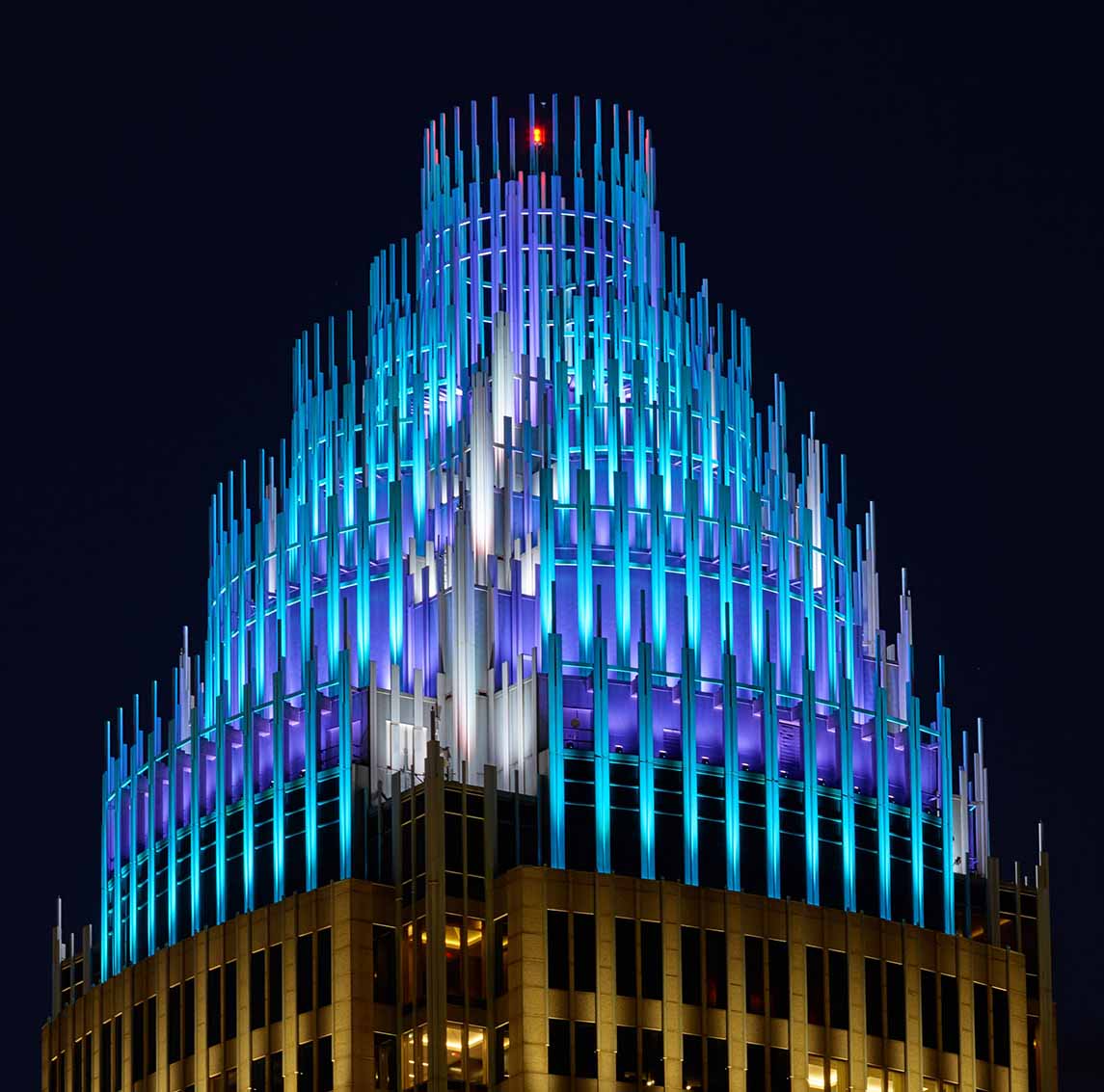
As one of the most economically dynamic cities in the southern United States, Charlotte enjoys the reputation of “National Bank City” for its booming financial industry. It is not only a gathering place for bank headquarters, but also a model of the deep integration of financial culture and urban history.
1. The rise of Charlotte Financial City: historical context and urban positioning
Charlotte’s financial status did not come about overnight. In the mid-19th century, it was still an ordinary trading town. Entering the 20th century, especially after World War II, with the rapid economic growth in the south, Charlotte gradually attracted the attention of a large number of financial institutions. In the 1950s, the National Bank of the United States began to move its headquarters to Charlotte, laying the foundation for the city’s “Bank City”.
Today, Charlotte is the headquarters of Bank of America, the second largest bank in the United States, and is also an important financial center on the East Coast of Wells Fargo. The concentration of the headquarters of the two major banks has brought a lot of prosperity to the financial services industry and promoted the modernization of the city.
In terms of urban planning and architectural design, Charlotte’s financial district is home to many skyscrapers, which are not only symbols of financial strength, but also carriers of culture and art. Through a well-planned walking route, visitors can gain an in-depth understanding of the city’s development trajectory from the past to the future.
2. Starting point of the walk: Bank of America Corporate Center
Introduction to architecture and history
The Bank of America Corporate Center is a landmark building in Charlotte’s financial district. At 871 feet high, it is the tallest skyscraper in the city. Completed in 1992, the building is designed with both modern and traditional aesthetics, using glass curtain walls and copper decorations, symbolizing the transparency and stability of finance.
There is a corporate exhibition center inside the building, which showcases the development history of Bank of America and the latest applications of financial technology. This is not only the center of financial work, but also a window to understand Bank of America’s contribution to Charlotte and the global economy.
Tour suggestions and reservation information
Bank of America headquarters allows visitors to make appointments to visit its corporate exhibition center at specific times. It is recommended to use platforms such as OpenTable or Viator to make group tours in advance to ensure that professional guided tours can be arranged to gain an in-depth understanding of the bank’s development context and financial innovation.
There are more visitors during the summer and holidays, so booking in advance will give you a better visiting experience. Visitors can enjoy the architecture and surrounding art installations outside the exhibition center and feel the charm of the city’s financial culture.
3. Financial Art Tour: Charlotte Public Art and Sculpture
Introduction to Public Art in the Financial District
Charlotte’s financial district is not only famous for its commercial buildings, but also actively promotes the development of public art. Walking in the city center, you will see many sculptures and installations related to financial history, such as golden streamlines symbolizing the flow of wealth, and historical reliefs showing the development of the banking industry.
These works of art are often integrated into architectural design and have become an important part of urban culture. They tell the story of Charlotte’s financial industry and inspire people to think about the relationship between wealth, time and society.
Recommended art attractions and booking tips
It is recommended to visit the “Light of Finance” sculpture square and the “Source of Wealth” waterscape installation to experience the artistic atmosphere of light and shadow intertwined with water. Some art exhibitions have guided tours, and visitors can make reservations for guides through the GetYourGuide platform to enjoy an in-depth cultural experience.
During Charlotte’s cultural festival, the financial district will hold outdoor art exhibitions and theme activities, and interactive displays will be carried out in conjunction with the city’s financial theme, which is very participatory and interesting.
4. Wells Fargo Center and Financial Innovation Experience
Overview of Wells Fargo Headquarters
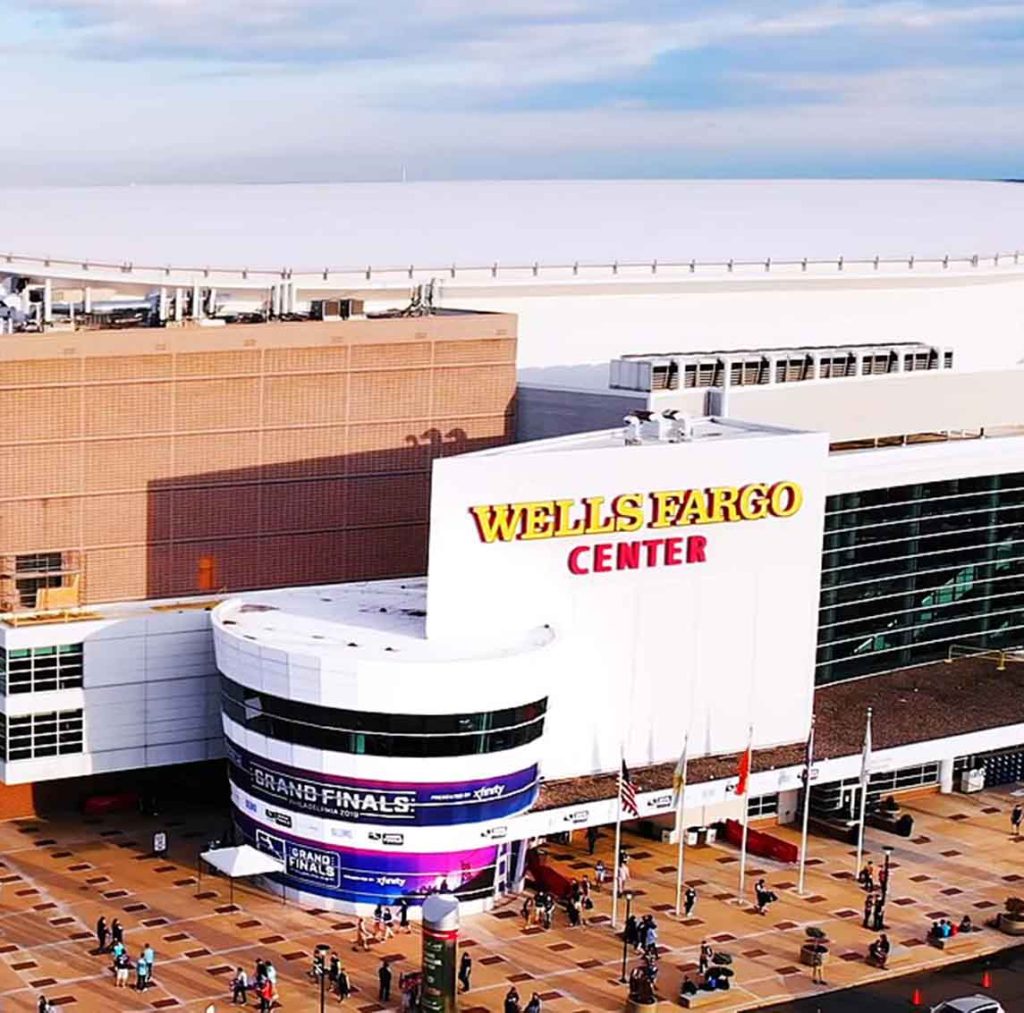
Wells Fargo has an important office center in Charlotte. Its headquarters building is the second tallest building in the city, marking the bank’s core position in the East Coast market. The building focuses on environmentally friendly design and adopts a number of green building technologies, representing the future direction of sustainable development in the financial industry.
Featured Fintech Exhibitions
Wells Fargo regularly holds fintech exhibitions for the public, showing the application of blockchain and artificial intelligence in the financial field, allowing visitors to experience the cutting-edge technology of digital finance. The exhibition is rich in interaction and suitable for visitors of different ages.
Visiting and booking suggestions
If you want to participate in fintech experience activities, it is recommended to sign up in advance through event booking platforms such as Eventbrite. During Charlotte’s Fintech Week, Wells Fargo Headquarters will open a number of special lectures and technical demonstrations, which is an excellent opportunity to learn about modern fintech.
5. Charlotte History Museum
Museum Introduction
The Charlotte History Museum specializes in displaying historical documents, physical objects and multimedia materials on the city’s financial development. The museum has a wealth of historical archives and physical exhibits, presenting a complete picture of financial culture from the establishment of the early banking industry to the rise of modern financial giants.
Featured exhibitions and activities
The museum often holds special lectures and interactive exhibitions, inviting financial experts and historians to explain Charlotte’s financial evolution. The “Financial Crisis Review” special topic is especially recommended, which deeply reflects the challenges and responses of the financial industry in different historical periods.
Visiting and booking methods
The Charlotte History Museum supports online ticket purchases through platforms such as TripAdvisor and Ticketmaster. It is recommended to purchase tickets in advance to avoid queuing on site. The museum is located in the city center with convenient transportation, suitable for arranging a half-day in-depth visit.
6. Historical buildings and cultural heritage of Charlotte’s financial district
Old bank building group
Walking through the Charlotte financial district, you will find many well-preserved historical bank buildings, such as the former National Bank Building and the Union Trust Bank Building. Most of these buildings were built in the early 20th century, reflecting neoclassical and art deco styles.
They were once the core places for urban financial transactions, witnessing Charlotte’s transformation from a regional trade center to an international financial center. Today, some buildings have been transformed into office buildings and museums, continuing to serve the city’s cultural heritage.

Recommended tour routes and guided tour services
It is recommended that tourists follow professional guides to gain an in-depth understanding of the stories behind the buildings and their place in financial history. Local guided tour services such as Charlotte Walking Tours provide multiple financial history lines, support online reservations, and provide detailed and vivid explanations.
7. Financial education and future prospects: Charlotte’s innovative power
Financial training institutions and university cooperation
Charlotte has financial disciplines and training centers established by many universities, such as the University of North Carolina at Charlotte (UNC Charlotte), which works closely with local financial institutions to promote financial talent training and innovative research.
These collaborations have injected strong momentum into Charlotte’s future financial development, and also provided tourists with the opportunity to participate in lectures and open classes to further understand the trends in the financial industry.
Future Financial District Planning and Smart City Construction
The Charlotte City Government is actively promoting the intelligent upgrading of the financial district, planning to build smart transportation, green buildings and digital service systems, and creating a sustainable financial technology demonstration zone.
Visitors can learn about the progress of smart city projects and experience the convenience and innovation of future financial life by participating in the municipal open day activities.
8. Third-party platform booking guide and travel suggestions
Booking platform recommendation
For Charlotte’s financial and cultural tours, it is recommended to use third-party platforms such as Viator, GetYourGuide, OpenTable, Eventbrite and TripAdvisor to make advance reservations for guided tours, restaurants and exhibitions. This will not only ensure a smooth trip, but also enjoy exclusive discounts and customized services.
Travel suggestions
The best time to visit is spring and autumn, when the weather is pleasant.
Note that most office buildings in the financial district are open on weekdays, and some exhibitions or services may be limited on weekends.
It is recommended to bring light shoes and prepare enough water. Some areas have rest areas and free Wi-Fi.
Understand local safety tips, respect the order of the office area, and keep quiet.
Charlotte, a city that has risen due to the financial industry, is attracting the world’s attention with its unique cultural charm. From the magnificent building of the Bank of America headquarters, to the green technology display of Wells Fargo, to the rich financial history museum, Charlotte not only allows you to see the past and present of the financial industry, but also allows you to feel the infinite possibilities of the future.
Through this carefully designed financial cultural walking route, you will experience a financial journey through time and space, and gain a deep understanding of the soul of this “national bank city”. If you are tired of ordinary city sightseeing, why not take an unusual Charlotte financial cultural tour!